
What is Tilt in Poker
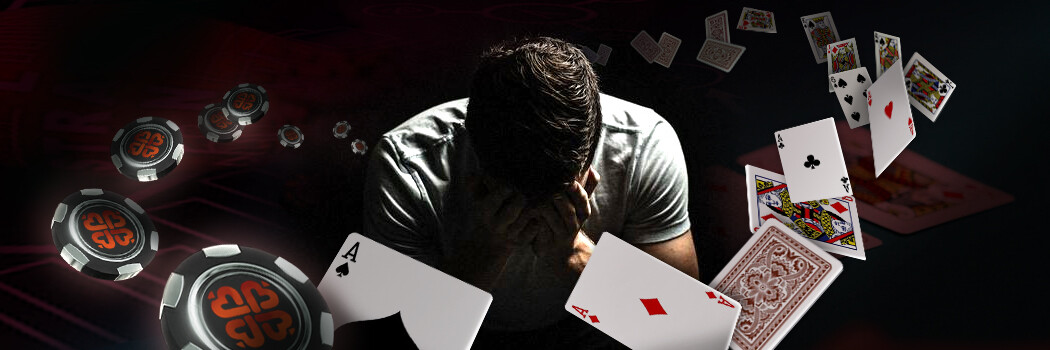
Tilt in poker refers to a state of emotional frustration that, in turn, leads to suboptimal play and bankroll depletion. Downswings, bad beats, coolers and variance can push a player to quit the mental game in favour of costly preflop/postflop mistakes. Here, we tell you what else triggers poker tilt, what potential consequences it might lead to, and how to cope with stress and loss aversion.
What is Tilt in Poker?
This term refers to a negative state in which a player starts taking wrong and unprofitable decisions driven by emotions and stress rather than common sense and rationality. We are then inclined to deviate from GTO poker strategy, make costly mistakes and get nervous.
The repercussions of poker tilt can be significant – it can easily lead to poor results, bankruptcy, getting into debt and even quitting poker forever. Other possible implications are as follows:
- Psychological crisis. Intense stress can arise, taking a toll on a person's mental well-being.
- Loss of self-confidence. Being tilted, people may doubt their abilities and lose self-assurance.
- Damage to reputation. The inability to control emotions can result in reputational harm and strained relationships with others.
Panic, stress, nervousness, irritation, frustration, rage, recklessness, and desperation are common synonyms for tilting.
Reasons and Core Symptoms
The following factors can provoke stress and adversely affect gamblers' table behaviour:
- Loss of a significant number of chips. Focusing on big money loss causes a significant amount of stress and frustration.
- Unfavourable card dealing. If a player consistently receives poor cards over an extended period, they may experience a downswing.
- Financial anxiety. Playing for big money, people must keep their heads cool. But many of us lose the ability to think rationally in such hands.
- Fatigue. Long daily sessions can lead to tiredness, reduced concentration and poor decision-making.
- Worries and stress from outside. Personal or work-related problems can create emotional turmoil, affecting our mental state during the game.
- Concerns about one's reputation. Some gamblers face a fear of losing credibility within the poker community. This pressure can lead to additional (and often foolish) mistakes due to overstrain.
To reduce stress, we suggest that beginners get acquainted with a preflop poker starting hand chart. It tells which hands are worth entering the action with and which should be folded.
Primary Symptoms of Tilt in Poker
We can prevent making mistakes and suffering losses by noticing early warning signs of emotional decline. Typical symptoms of the “disease” include:
- insulting adversaries and repeatedly using offensive language;
- feeling the urge to physically vent frustration, such as hitting a wall or breaking objects;
- causing actual harm to surrounding items and even oneself in a fit of anger;
- aggressive playing style fueled by emotions;
- experiencing irritation and physical tension while playing.
When suspecting tilt, pausing and taking a break from the game is crucial. You may ask your fellow players to parse your table behaviour – a fresh pair of eyes will help ascertain if you are indeed encountering stress (or not).
Explicit and Hidden Tilt in Poker
It’s easy to notice an explicit tilt, as it manifests itself in the wrong decisions which we make at the table. For example, we can go all-in as a poker bluff against a "calling station" or an opponent with a strong holding. Having identified it, you should immediately stop playing and put all your efforts into confronting the emotionally unstable state that affects the decision-making process.
The hidden kind is less visible, what makes it even more dangerous. If you suspect that you started tilting, you should take a break. Ask your colleague, coach or other experienced players to watch your game from outside and assess the likelihood of tilting in order to finally dispel your fears or, vice versa, to confirm them and take the necessary measures.
Identifying both types of tilt enables you to spot rivals on tilt to leverage it to your advantage.
Seven Varieties of Poker Tilt by Jared Tendler
A renowned expert in poker psychology, Jared Tendler, describes in detail 7 types of tilt in his book "The Mental Game of Poker". And let us just outline them briefly below.
- Injustice. It's caused by the assumption that you have bad luck more than anyone else. Supposedly, you constantly face poker bad beats while other people who are much weaker than you win only because of good fortune. As a rule, it occurs during protracted downswings. Almost every individual faces this type of stress in their career.
- Hatred of losing. Some players are mighty sore losers. Any tangible loss makes them aggressive and irritable. Of course, everyone wants to win and there is nothing wrong with it. But the only problem is how some people cope with the loss. This is a rather destructive type that cannot be ignored.
- Mistakes. There are no perfect poker performers; everyone makes mistakes. However, some of us can cope with this fact, and others tend to go on the so-called "tilt of mistake". Such human beings are mad at themself and often run the scenarios of lost hands over in their heads and think that they were able to play better. They forget that it’s worth focusing on the reasons rather than the mistakes they make. It’s needed to combat a problem radically.
- The rights. Gamblers are exposed to it if they think they deserve a victory more than others, but this doesn’t happen. They are confident that they work harder than others and they are annoyed when they don’t win more. Due to narcissism, many don’t recognize this type of tilt.
- Revenge. Sometimes people lose control due to the desire for revenge. Our goal is not to win, but to get back at a specific rival. As a result, we stop thinking straight and make unfavourable decisions for ourselves.
- Repeated failures. This kind is caused by the protracted downswing, and sometimes by the series of setbacks which pursue a gambler during one session. If the situation doesn’t change day by day, they stress more and more, eventually losing lots of money. In most cases, it’s worth taking a break in order to overcome a sequence of repeated failures.
- Despair. It is the most destructive type when a player goes to extreme measures for the sake of victory. They desperately try to win back and hope to get lucky at higher stakes; play long sessions and try their hand at other variations of the game. Sometimes they switch to casinos in order to win their money back and consider this method an easier way to make a profit.
How to Cultivate Poker Tilt Resilience
Each player is subject to frustration to different degrees. We naturally get nervous after losing one or two solid hands, which makes us depressed. But some people can withstand prolonged downstreaks (when they lose giant amounts) by maintaining sanity, clarity and peace of mind. Here are a few tips to help you develop resilience:

It affects all players, and learning to manage your emotions is particularly important to avoid impulsive moves.

Pay attention to your feelings and monitor when you start tilting. By identifying your triggers, you can better govern them.

If you are tired, stressed, or anxious (for whatever reason), it's best to postpone your session for another day.

Try setting a timer for an hour/two/three, etc., and once the time is up, force yourself to take a break.

Proper rest, physical activities, and practising relaxation techniques help reduce stress and enhance your overall mental health.
How to Prevent Yourself From Going on Tilt
Getting off tilt is never easy. It requires a deep analysis of your play and understanding the stress factors to avoid. See the quick tips not to face the negative mental state:
- If you’re taking medication that influences your mental state, don’t join any tables until you stop treatment.
- Work on the mistakes you made in previous poker sessions.
- Reduce your bankroll to avoid risks for your finances.
- Play less but pay more attention to the gameplay and the opponent’s behaviour.
- Never compare yourself to seasoned and successful players who can manage tilt with ease.
- Think a few steps ahead, have a solution for every possible scenario the game may revolve around.
- If some of your friends are more experienced in poker, ask them for advice. They are more likely to notice the mistakes you missed.

A lot of writing is devoted to tilt. In our library, you can find and download such famous poker books as:
- “The Mental Game of Poker” and “The Mental Game of Poker 2” by Jared Tendler
- "Your Worst Poker Enemy", "Your Best Poker Friend", and “The Psychology of Poker” by Alan Schoonmaker
- “The Poker Mindset: Essential Attitudes for Poker Success” by Ian Taylor
How to Get Off Tilt – Expert Advice
Negative mental state poses a big risk to a successful poker experience. If you want to avoid it, check some of the most effective guidelines for coping with tilt below:
- Accept that you faced it. Admitting you faced this state is the first step to recovery. Look fear in your eyes, understand that you happen to feel tilted like anyone else, and you get closer to tackling it.
- Discover what triggers you. We are all different, as well as the reasons causing the tilt. Define whether poor hole cards, aggressive foes, or losing streaks make you disappointed. When you know the causes, you know how to beat them.
- Have a rest from poker. Stop playing for a while if you’re feeling tilted. Decide the optimal break time for yourself: some need 24 hours, others feel better after a week. Use this time wisely and switch to another activity.
- Keep a stiff upper lip. Poker is not only about knowing good starting hands and mastering bluffs. Controlling your emotions is a foundation for a clear mind and win-win decisions you make at the table.
- Do sports to reduce stress. Improving your psychological well-being is a quick path to getting off tilt. Endorphins that are released after sports make you feel happier and stress-resistant. Reduce caffeine and alcohol intake, and focus better on eating healthy food.
Final Thoughts
If you aim to boost your poker skills, do your best to learn everything about tilt and how to get off it. It can only ruin the game first, but end with ruining the whole life. There’s no 100% way to protect yourself from it. Study yourself, understand the main triggers, and use our tips to get out of this state of mind.
FAQ
🙍♂️ What does tilted mean in poker?
This term describes a player under the control of negative emotions that disrupt their ability to think logically and make sound decisions at the table. It often arises from a series of losses, causing us to deviate from our usual behaviour and make impulse actions we wouldn't normally make.
🔥 How do you deal with tilt in poker?
The only way to cope with stress is to completely step away from the game for a few days or weeks. When playing becomes really hectic, you should get rid of that burden for a while. The problem is that persuading oneself to stop playing on time is truly challenging. Don’t jump into the action when you are in a bad mood or have no desire to play. Any distracting factors will worsen your concentration, which boosts the likelihood that emotions will take over you faster.
🎭 What is a winning tilt?
This condition occurs with exposure to a positive trigger. For example, when we experience unexpected wins or upswings. Strong positive vibes and feelings can be just as overwhelming and detrimental to a gambler as negative ones – a winning tilt may result in exactly the same consequences.





Please, login or register.